



The landscape of business has been in a state of continuous and accelerated transformation. For decades, the dominant model of leadership was a top-down, command-and-control hierarchy, a system built for a world of predictable change and a stable, in-person workforce. Today, that model is not only outdated but is actively harmful. The rise of new technologies, a decentralized and global workforce, and a new generation of employees who demand more from their careers have created an urgent need for a new kind of leader. This is the era of the future of business leadership, a revolutionary movement that is redefining what it means to manage, to inspire, and to succeed.
This is more than a new set of buzzwords. It is a profound philosophical shift from a focus on power and authority to a focus on empathy, agility, and purpose. It is a new model that sees a leader not as a manager of tasks, but as a facilitator of talent, a curator of culture, and an ethical compass for the entire organization. This comprehensive guide is a deep dive into this transformative era, exploring the core pillars that define tomorrow’s leadership, the essential skills that are needed to thrive in this new landscape, and the profound impact this movement will have on the way we work, innovate, and build successful businesses.
The Grand Imperative

The need for a new approach to leadership is not a choice; it’s a direct response to a series of interconnected global challenges that are reshaping our world.
- The Pace of Technological Change: The relentless pace of technological innovation, from artificial intelligence and automation to big data and the Internet of Things, is fundamentally changing the way we work. The old model of a leader who is a master of a single domain is no longer viable. The new leader must be a perpetual learner, a person who is not afraid of change and who can lead their team through a world of constant technological disruption.
- The Demand for Purpose and Authenticity: The millennial and Gen Z generations, who now make up a significant portion of the workforce, are not just working for a paycheck. They are looking for a career that is a direct reflection of their values, their passions, and their purpose. They are looking for a leader who is authentic, who is transparent, and who is committed to building a business that is a force for good.
- The Shift to a Decentralized Workforce: The global pandemic fundamentally changed the way we work, accelerating a shift to a new, more flexible model. The rise of a decentralized and remote workforce has created a new set of challenges for leaders, who must now learn to manage a team that is not in a single, physical location. The new leader must be a master of communication, a master of virtual collaboration, and a master of a new kind of company culture.
- The Crisis of Employee Burnout: The constant pull of notifications, the pressure to be “always on,” and the blurring of the lines between work and life have led to a new kind of modern malaise: digital burnout. The old model of a leader who values long hours and a relentless pace of work is a direct contributor to this crisis. The new leader must be a master of empathy, a person who can recognize the signs of burnout and who can foster a culture of well-being and a sustainable work-life integration.
The Four Pillars of Modern Leadership
The pioneers of this leadership revolution are guided by a new set of core principles that place people, purpose, and agility at the heart of every decision.
A. Empathy and Emotional Intelligence: Leading with the Heart
The old model of leadership was a top-down, command-and-control hierarchy that often lacked a human element. The new model is a more humane one, with a focus on empathy and emotional intelligence. A leader who is a master of empathy can recognize and understand their team’s emotional state, their motivations, and their needs. This is a skill that is not just a “nice-to-have” but a core competency of a modern leader. It is a skill that can be used to build a culture of trust, a culture of loyalty, and a culture of psychological safety.
B. Agility and Adaptability: Navigating a World of Change
In a world that is defined by constant technological disruption, the old model of a leader who is a master of a single domain is no longer viable. The new leader must be a master of agile leadership. This is a mindset that believes that a leader must be able to adapt to change, to pivot a team’s strategy, and to lead with a sense of purpose and a sense of calm in a world of constant uncertainty. An agile leader is a perpetual learner, a person who is not afraid of change and who can lead their team through a world of constant technological disruption.
C. Purpose-Driven and Values-Based Leadership: Inspiring with a Mission
The new era of business is not just about profit; it is about purpose. A new generation of employees, and a new generation of consumers, are looking for a business that is a force for good. The new leader must be a master of purpose-driven leadership. This is a mindset that believes that a business’s mission is as important as its profit, a mindset that can be used to inspire a team, to build a culture of shared purpose, and to create a business that is a force for positive change in the world.
D. Inclusive and Equitable Leadership: Building a Culture of Belonging
In a world that is becoming more diverse, the old model of a leader who is a master of a single, homogenous culture is no longer viable. The new leader must be a master of inclusive leadership. This is a mindset that believes that a diverse team, with a diversity of perspectives and a diversity of experiences, is a stronger, more innovative, and more creative team. An inclusive leader is a person who can create a culture of psychological safety, a culture where every employee feels a sense of belonging, a culture where every voice is heard, and every perspective is valued.
The Essential Skills for Tomorrow’s Leaders
The philosophical principles of modern leadership are made possible by a new set of skills that are a direct reflection of a new era of business.
- Data-Driven Decision Making: The old model of leadership was often based on intuition, experience, and a gut feeling. The new model is based on data. The new leader must be a master of data-driven leadership. This is a skill that believes that a leader must be able to use data to inform their decisions, to understand their team’s performance, and to identify a potential problem before it can happen. This is a skill that can be used to build a more efficient, more profitable, and more humane business.
- Mastery of Digital Transformation: The new leader must be a master of digital transformation. This is a skill that believes that a leader must be able to lead their team through a world of constant technological disruption, to be able to embrace new technologies, and to be able to use them to create a more efficient, more profitable, and more humane business.
- Communication in a Decentralized World: In a decentralized workforce, a physical office is no longer the central hub. The new central hub is a digital one, with a focus on virtual collaboration, a focus on a new kind of communication. The new leader must be a master of communication in a decentralized world, a person who can build a sense of community, a sense of connection, and a sense of shared purpose, even when a team is physically apart.
- Fostering a Culture of Psychological Safety: Psychological safety is the foundation of innovation. It is a culture where every employee feels safe to speak their mind, to make a mistake, and to take a risk without fear of retribution. A leader who is a master of psychological safety is a person who can create a culture of trust, a culture of loyalty, and a culture of innovation.
The Role of Technology in Modern Leadership

Technology is often seen as a source of digital stress. But in a model of future of business leadership, it is a powerful enabler, a tool for liberation, a tool for creating a more humane, more sustainable, and more purpose-driven business.
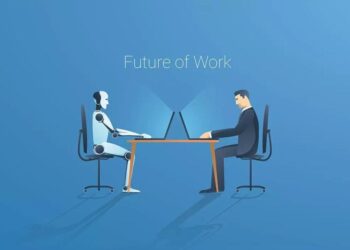
- AI for Employee Engagement and Analytics: AI in leadership is a new and rapidly growing field. AI-powered tools can analyze a vast amount of data and identify a potential problem, such as employee burnout, before it can happen. This is a powerful new way to manage a team, with a focus on a proactive and a more humane approach to people management.
- Virtual Collaboration and Communication Platforms: The future of work is a hybrid one, with a seamless blend of the physical and the digital. A new generation of virtual collaboration and communication platforms, with a focus on a new kind of meeting, a new kind of social connection, and a new kind of team-building, is a powerful new tool for a modern leader.
- Workplace Automation and Workflow Optimization: AI and automation are playing an increasingly important role in the workplace. AI-powered tools can automate tedious, repetitive tasks, such as scheduling meetings, responding to emails, and managing project deadlines. This frees up a leader to focus on more creative and strategic work, making them more productive and more engaged.
A Look Ahead
The future of leadership is not a fixed destination; it is a continuous evolution. Here is a look ahead at what we can expect from the next generation of business leadership.
- The Rise of the Chief Remote Officer: As remote work becomes the new normal, a new C-suite position is emerging: the Chief Remote Officer. This individual is responsible for a company’s remote work strategy, with a focus on everything from a remote work policy to a remote work technology stack.
- The Blurring of Leadership and Followership: In the new era of work, a leader is not a top-down authority figure. They are a facilitator, a coach, and a mentor, a person who can empower their team to lead from the front. The lines between leadership and followership are beginning to blur, with a focus on a more collaborative and a more decentralized model of leadership.
- The Future of Leadership Development: The old model of leadership development, with its focus on a rigid, top-down approach, is no longer viable. The new model is a more holistic one, with a focus on a personalized and a more continuous approach to leadership development. A new generation of AI-powered tools is being created that can help a leader to identify their strengths and weaknesses, and it can provide them with a personalized development plan.
Conclusion
The discipline of business leadership is at a pivotal moment. The old models of design, based on endless growth and resource consumption, are no longer viable. The future of our built environment and our society depends on a new kind of creative thinking—one that is restorative, responsible, and regenerative. The future of business leadership is the blueprint for this new era. It is a powerful fusion of technology and humanity, a commitment to a new way of living that is both more efficient and more meaningful.
This guide has only begun to explore the vast and exciting possibilities. We have seen how a blend of empathy and emotional intelligence, agility and adaptability, and a new generation of innovative technologies is creating a new language of leadership. This transformation is not without its challenges; it requires a new skill set and a new way of thinking. But the opportunity is even greater. The ultimate reward for this shift in our business philosophy is not just a reduction in our carbon footprint. It is the creation of a world that is more connected, more equitable, and more in tune with the rhythms of our daily lives. It is the creation of spaces that improve our health, enrich our lives, and foster a deeper connection to our communities and our planet. The future of business is a future that is defined by a new kind of humanity, a humanity that is both technological and profoundly human.








Discussion about this post