


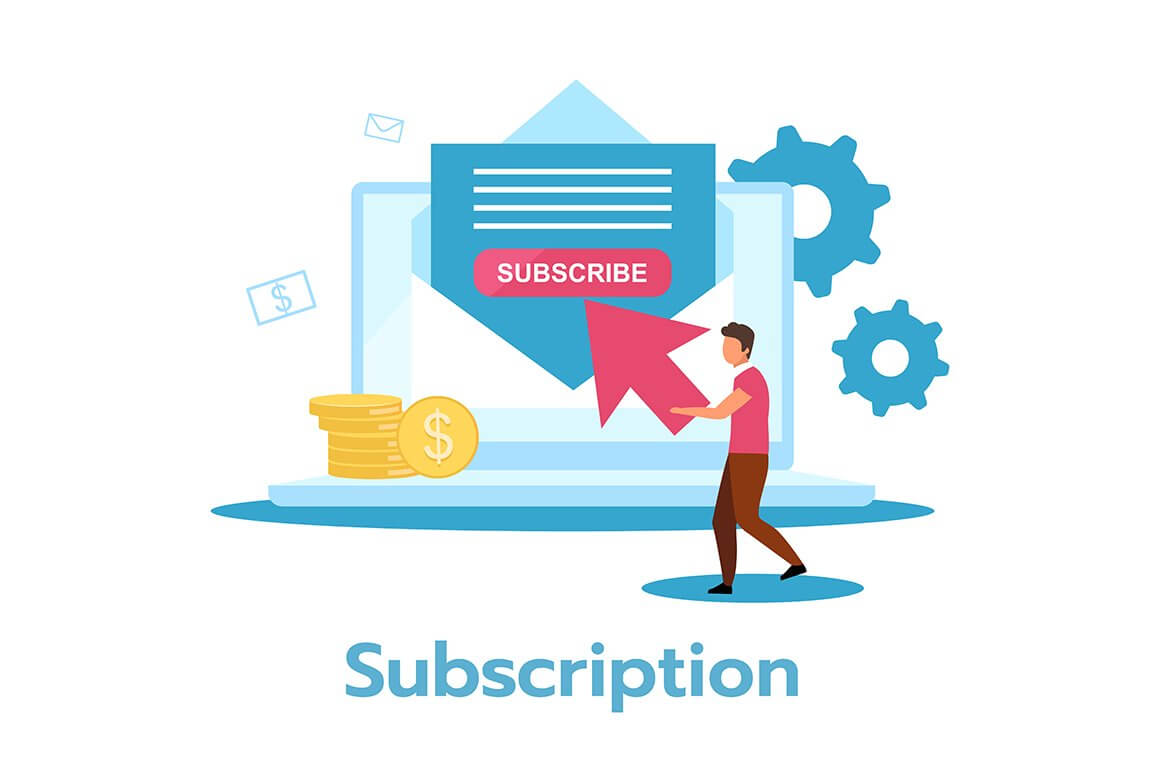
For centuries, commerce was a transactional affair. A customer would pay for a product or a service, and the relationship would end there. Today, that model is not only outdated but is being actively replaced by a new, more powerful paradigm. The subscription economy, which was once a niche model for newspapers and software, has now infiltrated every corner of our lives, from streaming services and beauty products to coffee and meal kits. This isn’t just a new way to pay; it’s a fundamental shift in the relationship between a business and its customer, a move from a single transaction to a continuous, ongoing, and deeply personal relationship.
This isn’t about simply charging a recurring fee. It is a profound revolution in strategy, technology, and philosophy. It’s an era where a business’s success is measured not by its sales, but by its ability to build a continuous relationship, to foster a sense of community, and to provide a continuous stream of value. This comprehensive guide is a deep dive into the most critical subscription model trends of today, exploring the core pillars that define this new era of commerce, the groundbreaking technologies that are making it possible, and the critical challenges that leaders must navigate to build a more resilient and secure business future.
The Dawn of the Subscription Economy

To understand the future of the subscription model, we must first appreciate the nature of the new commerce we are entering. The traditional, transactional model is failing because the world it was designed for has fundamentally changed.
- From Product to Service: The subscription revolution is a philosophical shift from a focus on selling a physical product to a focus on providing a continuous service. A customer is no longer buying a single product; they are subscribing to a continuous stream of value, a relationship that is built on a foundation of trust, a foundation of personalization, and a foundation of a profound sense of purpose.
- The End of the Transactional Mindset: The old model of commerce was a transactional one. The business’s primary goal was to make a single sale, with little to no focus on a long-term relationship. The new model is a relational one, with a focus on building a long-term relationship, on fostering a sense of community, and on providing a continuous stream of value. The key to success is not just a single sale but a customer’s customer lifetime value (CLV).
- The Power of Recurring Revenue: In a world of economic uncertainty, the subscription model provides a business with a powerful source of recurring revenue. This not only provides a business with a high degree of financial stability but also provides it with the financial freedom to invest in a long-term strategy, to invest in a long-term relationship with its customers, and to invest in a long-term future.
The Four Pillars of the Subscription Revolution
The pioneers of this subscription revolution are guided by a new set of core principles that place a holistic, data-driven, and proactive approach at the heart of every design decision.
A. Hyper-Personalization: A Service Designed for One
The old model of a subscription was a one-size-fits-all approach. A customer would pay for a service, and they would receive the same product or the same service as everyone else. The new model is a personalized one, with a focus on a service that is a direct reflection of a customer’s unique needs, preferences, and desires.
- A Service Designed for One: A new generation of subscription boxes is using AI and machine learning to create a personalized experience, a box that is a direct reflection of a customer’s unique voice, a box that is a direct reflection of a customer’s unique needs.
- The Power of Data: The new model of a subscription is a data-driven one, with a focus on a continuous stream of data on a customer’s behavior, a customer’s preferences, and a customer’s emotional state. This data is then used to provide a customer with a continuous stream of value, a continuous stream of personalization, and a continuous stream of a profound sense of purpose.
B. The Power of Community and Content: Beyond the Product
In a subscription economy, the most valuable asset of a business is not its product; it is its community. A new generation of subscription businesses is moving beyond the confines of a single product to embrace a holistic approach that places a community, a content, and a culture at the heart of its mission.
- The Fusion of Product and Community: A new generation of subscription businesses is creating a community of customers who are talking to one another, who are sharing their experiences, and who are helping the business to grow. This is a powerful new way of building a brand, a brand that is built on a foundation of trust, a foundation of value, and a foundation of a profound sense of purpose.
- The Power of Content: A subscription is not just a service; it is a story. A new generation of subscription businesses is using a continuous stream of content, from a blog post to a podcast, to educate its customers, to inspire them, and to build a long-term relationship with them.
C. The Fusion of Data and Customer Experience: A Virtuous Cycle
The old model of a subscription was a a data-driven one, with a focus on collecting as much data as possible. The new model is a more ethical one, with a focus on a virtuous cycle between data and the customer experience.
- A Virtuous Cycle: A new generation of subscription businesses is using a continuous stream of data on a customer’s behavior to provide them with a more personalized, a more seamless, and a more intuitive experience. This improved customer experience then leads to a more engaged customer, a customer who is more willing to provide the business with more data, a virtuous cycle that is the foundation of a successful subscription model.
- The Role of AI: AI is playing an increasingly important role in the subscription ecosystem. AI-powered tools are being used to analyze a vast amount of data and to identify a pattern or a trend that a human would miss. This provides a new level of insight, a new level of understanding, and a new level of confidence in a strategic decision.
D. The Shift from Ownership to Access: A New Consumer Mindset
The old model of commerce was a transactional one. The customer’s primary goal was to own a product. The new model is a relational one, with a focus on access, not ownership. A customer is no longer buying a single product; they are subscribing to a continuous stream of value, a relationship that is built on a foundation of trust, a foundation of personalization, and a foundation of a profound sense of purpose. This is a movement that believes that a customer’s true value is found in a service, not in a product.
The Defining Trends of Today’s Subscription Model
The philosophical principles of the subscription revolution are being brought to life in a series of defining trends that are shaping the future of our commercial lives.
- The Rise of Hybrid Models: The future of commerce is not a monolith; it is a tapestry of new and innovative approaches that are being woven together to create a more dynamic and flexible professional landscape. The new trend is a hybrid business model, a model that blends a subscription with a one-time sale, with a focus on a seamless and a more intuitive customer journey.
- The Experience-Centric Subscription: The old model of a subscription was a a product-centric one. The new model is an experience-centric one, with a focus on a continuous stream of value, a continuous stream of personalization, and a continuous stream of a profound sense of purpose. A coffee subscription, for example, is not just about a coffee. It is about a curated journey of discovering new flavors, new brands, and a new community of coffee lovers.
- The Democratization of Subscription Businesses: The subscription model is no longer a luxury that is reserved for a few, large corporations. A new generation of platforms and tools is being created that is designed to help a small business, a freelancer, and a creator to build a subscription business, a business that is a direct reflection of their unique voice, a business that is a direct reflection of their unique needs, a business that is a direct reflection of their unique purpose.
- The Sustainability-Focused Subscription: The new era of commerce is a more ethical one, with a focus on sustainability and ethical sourcing. A new generation of subscription businesses is being created that is a direct reflection of this new era. A coffee subscription, for example, might not just be about coffee. It might also be about a a coffee that is ethically sourced, a coffee that is grown in a sustainable way, and a coffee that is a direct reflection of a profound sense of purpose.
The Revolution in Action
The concepts of subscription model trends are already being brought to life in projects around the world. These are not just theoretical models but tangible examples of what is possible.
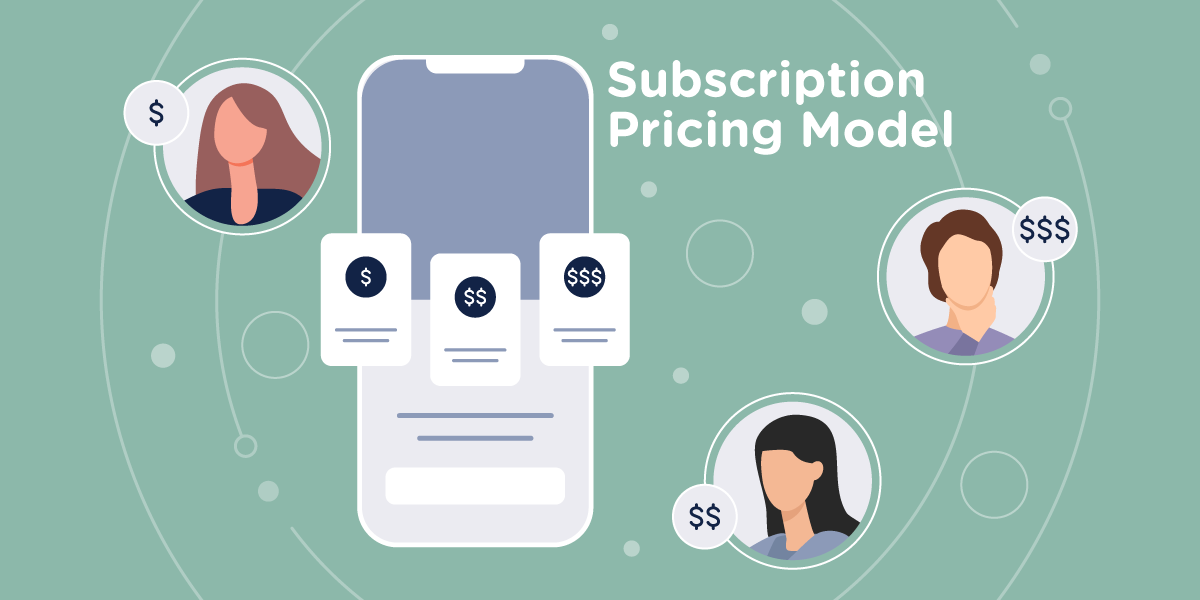
- A SaaS company with a new pricing model: A new software-as-a-service (SaaS) company is using a new pricing model, a model that is based on a customer’s usage, with a focus on a more affordable and a more accessible approach to software.
- A subscription box with a focus on personalization: A new subscription box company is using AI and machine learning to provide a customer with a personalized experience, a box that is a direct reflection of a customer’s unique voice, a box that is a direct reflection of a customer’s unique needs.
- A D2C brand with a hybrid subscription model: A new direct-to-consumer (D2C) brand is using a new kind of business model, a model that blends a subscription with a one-time sale, with a focus on a seamless and a more intuitive customer journey.
- A content platform with a focus on a niche community: A new content platform is being created that is a direct reflection of a new generation of consumers, a generation that is looking for a community that is a direct reflection of their unique interests and their unique needs.
The Challenges and Ethical Imperatives
While the subscription revolution is exciting, it is not without its challenges. Navigating these hurdles is key to building a future that is equitable, humane, and sustainable.
- Customer Churn and Retention: The most significant challenge of a subscription business is customer churn. A customer who is not a direct reflection of a continuous stream of value will inevitably leave a business. The challenge is to have a strategy that can mitigate the risk of churn, a strategy that can build a long-term relationship with its customers.
- Data Privacy and the Personalization Paradox: The future of the subscription model is a data-driven one, and the need for robust data privacy and security will be paramount. The challenge is to find a balance between a personalized experience and a privacy-respecting one, a balance that can build a long-term relationship with its customers.
- Subscription Fatigue: In a world of endless subscription services, a customer can often experience a sense of subscription fatigue. The challenge is to have a strategy that can mitigate this risk, a strategy that can provide a continuous stream of value, a continuous stream of personalization, and a continuous stream of a profound sense of purpose.
- The Regulatory Landscape: The regulatory landscape of the subscription revolution is a complex and rapidly evolving one. The challenge is to create a regulatory framework that can protect a customer from a wide range of threats, from a misleading pricing to a lack of a clear cancellation policy.
Conclusion
The discipline of commerce is at a pivotal moment. The old models of design, based on endless growth and resource consumption, are no longer viable. The future of our built environment and our society depends on a new kind of creative thinking—one that is restorative, responsible, and regenerative. The subscription model trends we have explored in this guide are the blueprint for this new era. It is a powerful fusion of technology and humanity, a commitment to a new way of living that is both more efficient and more meaningful.
This guide has only begun to explore the vast and exciting possibilities. We have seen how a blend of hyper-personalization, community, and advanced technologies is creating a new language of commerce. This transformation is not without its challenges; it requires a new skill set and a new way of thinking. But the opportunity is even greater. The ultimate reward for this shift in our commercial philosophy is not just a reduction in our carbon footprint. It is the creation of a world that is more connected, more equitable, and more in tune with the rhythms of our daily lives. It is the creation of spaces that improve our health, enrich our lives, and foster a deeper connection to our communities and our planet. The future of a business is a future that is defined by a new kind of humanity, a humanity that is both technological and profoundly human.







Discussion about this post