


The era of hyper-globalization, once defined by the relentless pursuit of efficiency and cost reduction, is over. For decades, the global supply chain operated on the principle of “just-in-time” logistics, a finely tuned system that minimized inventory and maximized output by leveraging low-cost production centers around the world. It was a model of breathtaking complexity and interdependence, but also of profound fragility. The COVID-19 pandemic, followed by a series of geopolitical upheavals, trade conflicts, and accelerating climate change impacts, exposed the deep vulnerabilities of this system. It became painfully clear that an over-reliance on single-source suppliers and lean inventories could lead to catastrophic disruptions, from empty store shelves to stalled manufacturing lines.
This global reckoning has not just prompted a desire for optimization; it has sparked a fundamental reinvention of the supply chain. This is not a simple tweak or an upgrade—it’s a paradigm shift. Companies are moving away from a singular focus on cost toward a multi-faceted strategy that prioritizes resilience, visibility, sustainability, and agility. This comprehensive overhaul is essential for navigating an increasingly volatile world and building the robust, future-proof networks required for the next generation of global commerce. This article delves deep into the drivers of this reinvention, the core pillars upon which it is built, the transformative technologies making it possible, and the strategic roadmap companies must follow to secure their place in this new era.
The Imperative for Change
The need for supply chain reinvention is not a hypothetical business trend; it is a direct response to a series of undeniable global events that have fundamentally altered the landscape of trade and logistics. The old model, which thrived on predictability and stability, is no longer fit for purpose.
First and foremost, the COVID-19 pandemic served as a brutal stress test. Lockdowns, factory shutdowns, and border closures created a domino effect, revealing the interconnectedness and brittle nature of a system built on single points of failure. The subsequent shortage of everything from semiconductors to toilet paper highlighted the critical need for diversified sourcing and localized manufacturing capabilities.
Beyond the pandemic, a new geopolitical reality has emerged. Trade wars, regional conflicts, and rising protectionism have shattered the illusion of a borderless world. Companies are now faced with the risk of tariffs, sanctions, and political instability that can sever critical links in their supply chain overnight. This has pushed governments and businesses to reconsider the strategic importance of domestic and regional production capabilities.
Furthermore, the escalating climate crisis is putting unprecedented pressure on supply chains. Extreme weather events like floods, wildfires, and hurricanes disrupt transportation routes, damage infrastructure, and affect agricultural yields. Simultaneously, mounting consumer and investor demand for sustainability and corporate social responsibility is forcing businesses to scrutinize every step of their value chain, from raw material sourcing to final delivery. The carbon footprint of global shipping and logistics is under intense scrutiny, and companies that fail to adapt risk significant reputational and financial damage.
Finally, the relentless pace of technological innovation itself is a powerful catalyst. The tools available today—from AI and machine learning to IoT and blockchain—offer a level of visibility, automation, and predictive capability that was unimaginable just a decade ago. These technologies are not just enabling reinvention; they are actively driving it by providing the solutions needed to build smarter, more resilient networks.
The New Pillars of Modern Supply Chain Design
The supply chain of the future will be built on a new set of principles that go far beyond the old metrics of speed and cost. These pillars are designed to create a system that is not only efficient but also robust, ethical, and adaptive.
A. Radical Resilience and Redundancy: The “just-in-time” model is being superseded by a “just-in-case” philosophy. This means building in strategic redundancy—multi-sourcing materials from different geographies, maintaining safety stock of critical components, and establishing diversified manufacturing footprints. The goal is to absorb shocks and continue operations even when a major node in the network fails.
B. End-to-End Visibility: You cannot manage what you cannot see. The new supply chain is a transparent one, powered by real-time data from every link in the chain. This means companies can track goods from their origin to their final destination, monitor inventory levels across multiple warehouses, and gain a holistic view of potential disruptions before they occur. This visibility is the foundation for proactive decision-making.
C. Hyper-Agility and Flexibility: An agile supply chain can respond rapidly to changing market conditions, consumer demands, and unforeseen events. This is achieved through dynamic routing, flexible manufacturing capabilities that can switch between different products, and a modular network design that allows for easy reconfiguration. The ability to pivot quickly is a core competitive advantage.
D. Holistic Sustainability and Ethical Sourcing: Sustainability is no longer a corporate buzzword; it is a fundamental business imperative. This includes reducing carbon emissions across the entire logistics network, minimizing waste, and ensuring ethical labor practices in all supplier relationships. Companies are being held accountable for their environmental and social impact, and the supply chain is at the heart of this responsibility.
E. Customer-Centricity: The ultimate goal of a reinvented supply chain is to better serve the customer. This involves providing accurate delivery estimates, offering flexible fulfillment options, and ensuring the final product meets high standards of quality and ethical production. A well-oiled supply chain becomes a key differentiator in building brand loyalty and trust.
Transformative Technologies Driving Supply Chain Reinvention
Technology is the engine of this new era. Without a suite of sophisticated digital tools, the shift toward a more resilient and transparent supply chain would be impossible.
A. Artificial Intelligence (AI) and Machine Learning (ML)
AI and ML are revolutionizing every aspect of supply chain management. They are no longer just predictive tools but are becoming prescriptive and autonomous.
- Predictive Analytics: AI algorithms can analyze vast datasets—including historical sales data, weather patterns, social media trends, and even geopolitical news—to generate highly accurate demand forecasts. This allows companies to optimize inventory levels, reduce waste, and prevent stockouts more effectively than ever before.
- Intelligent Automation: AI-powered robots and autonomous vehicles in warehouses can handle everything from picking and packing to sorting and stacking. This increases efficiency, reduces labor costs, and improves safety. On the road, AI-driven route optimization software can identify the fastest and most fuel-efficient delivery paths in real-time, accounting for traffic and weather.
- Risk Management: AI models can continuously monitor global events and supply chain data to identify potential risks, such as a supplier’s financial instability or a natural disaster in a key region. They can then recommend alternative sourcing strategies or routes to mitigate the impact.
B. The Internet of Things (IoT)
IoT is the nervous system of the modern supply chain, providing the real-time data necessary for true visibility.
- Real-time Tracking: IoT sensors attached to products, containers, and vehicles can provide continuous, real-time data on their location, condition, and status. This is crucial for high-value or temperature-sensitive goods, where companies can monitor everything from temperature and humidity to shock and vibration.
- Asset Management: IoT devices can track the performance and maintenance needs of equipment and vehicles. Predictive maintenance based on this data can prevent costly breakdowns and unscheduled downtime.
- Inventory Automation: Smart shelves and RFID tags in warehouses can automatically track inventory levels, providing an accurate, real-time count that reduces the need for manual checks and minimizes human error.
C. Blockchain Technology
Blockchain is the digital ledger that can build trust and transparency into even the most complex global supply chains.
- Immutable Records: Each transaction on a blockchain is recorded in an unchangeable, verifiable block. This creates a tamper-proof record of every movement of a product, from its raw materials to the final consumer. This is invaluable for preventing fraud and ensuring the authenticity of goods.
- Enhanced Traceability: For industries like food and pharmaceuticals, blockchain can provide end-to-end traceability. Consumers can scan a QR code on a product to see its entire journey, including where it was grown, processed, and shipped. This builds consumer confidence and enables rapid recalls if a safety issue arises.
- Smart Contracts: Blockchain can automate payments and transactions through “smart contracts.” Once pre-defined conditions are met (e.g., a shipment arrives at its destination on time and in good condition), the payment is automatically released, reducing administrative overhead and disputes.
The Strategic Shift
The reinvention of the supply chain is also a geographical one. The decades-long trend of consolidating production in a few, low-cost countries is being reversed in favor of a more distributed and resilient model. This is driven by the need to mitigate political and logistical risks.
- Reshoring and Nearshoring: Companies are moving production facilities closer to their end markets. Reshoring involves bringing manufacturing back to the home country, while nearshoring involves relocating it to a neighboring country. This shortens lead times, reduces transportation costs and emissions, and provides greater control over the manufacturing process. While labor costs may be higher, these are often offset by reduced logistics costs and improved responsiveness to local market demands.
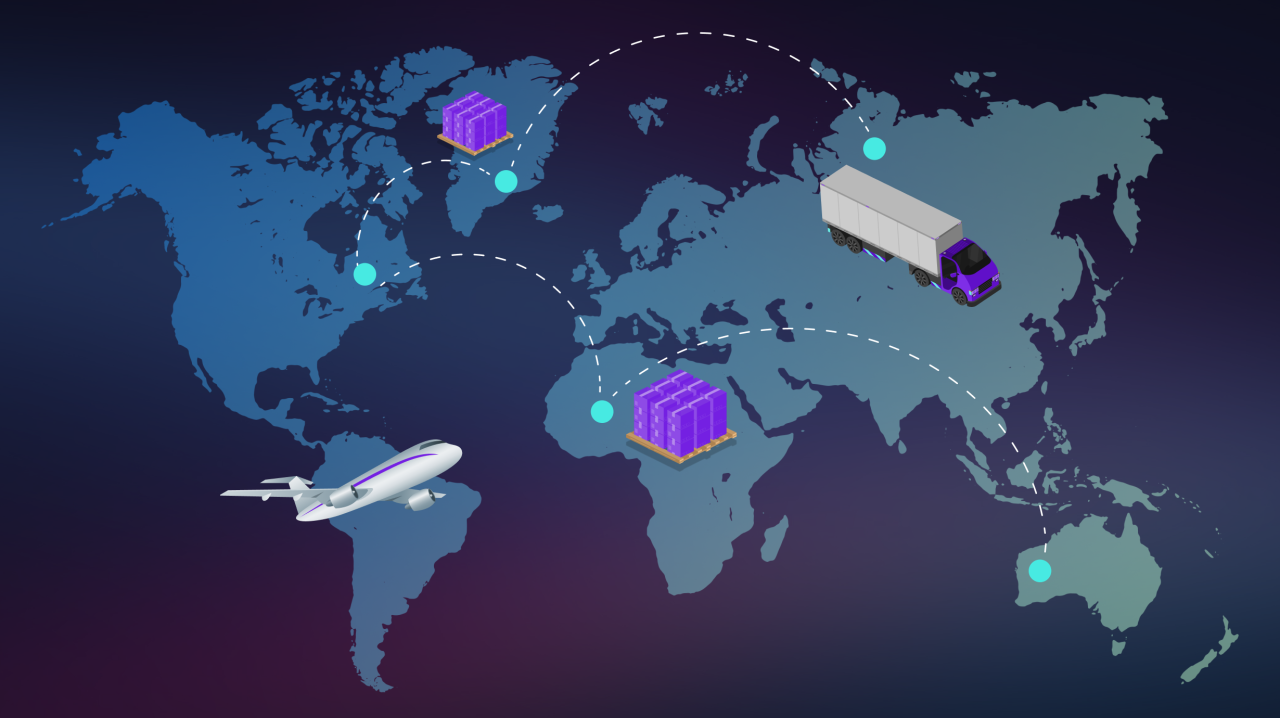
- Building Regional Hubs: Instead of a single, centralized global network, many companies are creating multiple, self-sufficient regional supply chains. For example, a company might have one hub serving North America, another for Europe, and a third for Asia. This “multi-hub” strategy allows each region to operate with greater autonomy and protects the entire network from a disruption in any single area.
- The “China+1” Strategy: Recognizing the risks of over-reliance on a single major manufacturing hub like China, many companies are now diversifying their supplier base. The “China+1” strategy involves maintaining production in China while simultaneously establishing a secondary source of manufacturing in another country, such as Vietnam, India, or Mexico. This creates a critical safety net and reduces exposure to a single political or economic risk.
Overcoming the Hurdles to Reinvention
While the benefits of supply chain reinvention are clear, the path forward is not without significant challenges. A successful transformation requires strategic investment, cultural change, and careful planning.
- Legacy System Integration: Many large corporations are shackled by outdated, disparate enterprise resource planning (ERP) systems. Integrating new, cutting-edge technologies like AI and blockchain with these legacy systems is a complex, costly, and time-consuming process. It often requires a phased approach or a complete system overhaul.
- Talent and Skills Gap: The supply chain of the future requires a new kind of workforce. Companies need data scientists, AI specialists, robotics engineers, and sustainability experts. There is a global shortage of these specialized skills, and attracting and retaining top talent is a major challenge.
- Initial Capital Investment: The technologies that underpin reinvention—from automated warehouses to blockchain networks—require substantial upfront capital investment. Companies must carefully build a business case that demonstrates a clear return on investment, not just in terms of efficiency but also in risk reduction and long-term resilience.
- Cybersecurity Risks: A highly digitized and interconnected supply chain is also more vulnerable to cyberattacks. A breach in one part of the network could have a ripple effect, compromising sensitive data or even shutting down operations. Robust cybersecurity measures are no longer an optional add-on; they are a fundamental pillar of the new supply chain.
A Strategic Roadmap for Supply Chain Reinvention
For businesses ready to embark on this journey, a clear, actionable roadmap is essential. Reinvention is a marathon, not a sprint, and requires a methodical, step-by-step approach.
A. Conduct a Comprehensive Supply Chain Audit: The first step is to gain a clear understanding of the current state. This involves mapping the entire end-to-end supply chain, identifying all suppliers, logistics partners, and potential single points of failure. Analyze past disruptions to understand where the system is most vulnerable.
B. Define New Strategic Priorities: Leadership must align on a clear vision. Is the primary goal to reduce risk, enhance sustainability, or improve customer responsiveness? A clear set of priorities will guide all subsequent decisions regarding technology investment and network design.
C. Invest in Technology Incrementally: Instead of a massive, company-wide overhaul, start with pilot projects. Implement a new IoT tracking system on a single product line, or use AI for demand forecasting in one region. This allows the company to learn, refine the technology, and demonstrate a clear ROI before scaling up.
D. Foster a Culture of Collaboration and Innovation: Break down internal silos. The supply chain of the future requires close collaboration between logistics, procurement, IT, and sales. Encourage a mindset of continuous improvement and empower teams to experiment with new technologies and processes.
E. Diversify and Regionalize the Network: Begin the strategic shift toward a multi-hub model. This involves identifying potential new sourcing and manufacturing locations, negotiating with new partners, and gradually shifting production to reduce over-reliance on any single region.
Conclusion
The global supply chain is at an inflection point, transitioning from a model of fragile efficiency to one of robust resilience. The forces of globalization, once a primary driver, have been tempered by a new reality defined by geopolitical risks, environmental pressures, and the demand for greater transparency. The companies that will thrive in this new era are those that embrace this fundamental reinvention, shifting their focus from “just-in-time” to a strategic combination of “just-in-case” and “just-in-case-and-sustainable.”
This transformative journey is not merely about adopting new technology; it is about a profound change in strategy and mindset. It requires a willingness to invest in redundancy, to prioritize resilience over pure cost-cutting, and to embed sustainability and ethics into the very fabric of the business. The supply chain is no longer just a back-office function; it is a critical source of competitive advantage, a tool for building brand trust, and a fundamental pillar of corporate responsibility. The future of commerce will be defined not by the fastest or cheapest chains, but by the most intelligent, agile, and resilient ones. The time for reinvention is not coming—it is already here, and those who lead the way will be the architects of a new, more sustainable, and more secure global economy.







Discussion about this post