



The global retail landscape is undergoing a profound transformation, moving beyond the static storefronts of traditional e-commerce and into the dynamic, interactive worlds of social media. This seismic shift marks the rise of social commerce, a new paradigm where the lines between social interaction and commercial transaction are not just blurred—they are entirely erased. Social commerce is more than a fleeting trend; it is the natural evolution of online shopping, driven by a new generation of consumers who seek authenticity, engagement, and seamless convenience. It transforms the act of buying from a deliberate task into an organic, discovery-driven experience that fits natively within our digital lives.
For years, social media platforms served as powerful tools for marketing and brand discovery, directing users away to external websites to complete a purchase. The modern social commerce model, however, keeps the entire customer journey, from initial product discovery to final checkout, within the social ecosystem. This integration fundamentally shortens the path to purchase and capitalizes on the deep trust and community that users have built on these platforms. This article will explore the core drivers of this revolution, the key technologies fueling its growth, the strategic advantages for businesses, and the immense potential that lies ahead as social commerce redefines the future of retail.
The Foundation of a Revolution

The seeds of social commerce were sown in the shifting behavior of digital-native generations. Millennials and, more significantly, Gen Z, are not just passive consumers of content; they are active creators and participants. Their purchasing decisions are heavily influenced by the recommendations of peers, the authenticity of creators, and the values of the brands they follow. The traditional, high-friction model of e-commerce—where a user sees a product on social media, clicks a link, leaves the app, enters payment details, and waits for a confirmation email—felt disjointed and counterintuitive to a generation accustomed to instant gratification and seamless user experiences.
Social media platforms, sensing this shift, began to embed shopping functionalities directly into their user interfaces. This move was a game-changer. It allowed brands to leverage the existing trust and engagement of their social communities to drive sales without ever requiring the customer to leave the platform. The shopping experience became less about a cold, transactional website and more about a warm, interactive conversation. The ability to ask questions, read real-time reviews from other users, and engage directly with a brand or a creator made the shopping experience feel more personal and trustworthy, replicating the feeling of shopping with friends in a digital space.
Core Components and Evolution of Social Commerce
Social commerce is not a single technology but a diverse ecosystem of features and strategies that are continuously evolving. Each component is designed to remove friction and create a more integrated shopping experience.
A. Live Shopping: The most dynamic and rapidly growing form of social commerce, live shopping combines real-time video streaming with direct sales. A host, who is often a brand representative or a popular creator, demonstrates products, answers questions from the audience in real-time, and encourages immediate purchases through clickable product links that appear directly on the screen. This format creates a sense of urgency and exclusivity, and its interactive nature builds a strong community feel. Originating in China, where it has become a multi-billion dollar industry, live shopping is now gaining significant traction in Western markets on platforms like TikTok and Instagram.
B. Shoppable Content: This is the most common form of social commerce. It involves embedding product tags directly into posts, photos, Reels, or Stories. When a user taps on a tagged product, they are shown product details, pricing, and a direct checkout option, all within the app. This method seamlessly integrates the product into the user’s content feed, turning a moment of visual inspiration into an immediate purchasing opportunity. Brands can use this to create highly curated, visually appealing content that doubles as a sales channel.
C. Peer-to-Peer Social Selling: This model leverages the power of community and personal relationships. Platforms like Facebook Marketplace and Instagram’s direct messaging features allow individual users to sell products directly to others. It’s a return to the digital version of a local flea market or a yard sale, built on a foundation of trust between individuals. The use of features like private messaging and integrated payment solutions simplifies the transaction process, making it an ideal channel for small businesses and individual creators.
D. Group Buying and Social Gifting: This innovative model incentivizes social sharing and collaboration. Group buying platforms encourage users to invite friends to join a purchase, unlocking a lower price for everyone involved once a certain number of buyers is reached. Social gifting features allow users to purchase and send gifts to friends or family members directly through a social app, often with a personalized message or video. These models capitalize on the communal nature of social media to drive both sales and user engagement.
Key Platforms and Their Strategies
Each major social media platform is carving out its own niche in the social commerce space, leveraging its unique user base and content format to attract brands and consumers.
- TikTok: The leader in short-form video, TikTok’s powerful discovery algorithm is the engine of its commerce strategy. Its “For You Page” can introduce a product to millions of users overnight, creating viral trends that drive a frenzy of sales. TikTok’s live shopping and shoppable video ads are central to its model, capitalizing on the platform’s high engagement and fast-paced, entertaining content. Its focus on creator-led commerce positions influencers not just as marketers, but as central figures in the retail ecosystem.
- Instagram: As a visual-first platform, Instagram has a natural affinity for product discovery. It was one of the first to pioneer shoppable posts and Stories, and its features like Instagram Shop and checkout within the app have solidified its role as a key player. The platform leverages its curated aesthetic to appeal to fashion, beauty, and lifestyle brands, making it a go-to destination for inspiration-driven purchases.
- Pinterest: Known as a visual search and discovery engine, Pinterest is unique in its user’s high purchase intent. People come to the platform specifically to find ideas and products for their projects and interests. This makes Pinterest an incredibly effective social commerce channel, as users are already in a buying mindset. Its shoppable Pins and integrated checkout options seamlessly connect inspiration with a direct path to purchase.
- Facebook: As the largest social network, Facebook leverages its massive user base through Facebook Marketplace and its integrated shops feature. Its strength lies in its ability to facilitate both business-to-consumer (B2C) and consumer-to-consumer (C2C) sales, providing a comprehensive commerce solution for a wide range of users and businesses.
The Technological Engines Driving Social Commerce
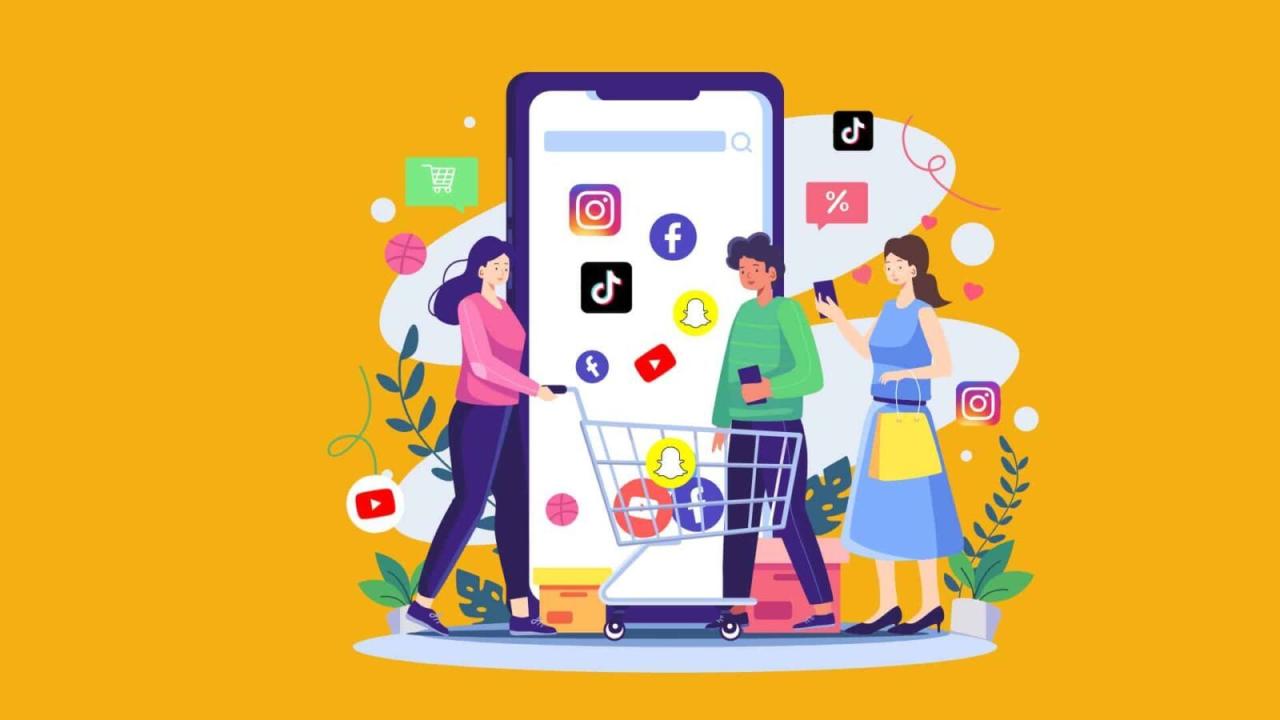
The explosive growth of social commerce would not be possible without a new generation of technologies that make the shopping experience smarter, more interactive, and more personalized.
A. Artificial Intelligence (AI) and Machine Learning (ML): AI is the invisible force behind a hyper-personalized shopping experience. It analyzes vast amounts of user data—including past purchases, browsing behavior, likes, and comments—to provide highly accurate product recommendations. AI-powered chatbots handle customer inquiries and streamline the purchase process, while ML algorithms optimize ad targeting to ensure that the right products reach the right audience at the right time. This level of personalization makes the social shopping experience feel intuitive and tailored to the individual.
B. Augmented and Virtual Reality (AR/VR): AR and VR are bridging the gap between the digital and physical worlds. AR features allow users to “virtually try on” products like makeup, glasses, or clothing by using their phone’s camera. This eliminates the uncertainty of online shopping and reduces product returns. VR technology is being used to create immersive virtual storefronts where users can browse and interact with products in a 3D environment, replicating the feeling of walking through a physical store.
C. Live Video and Interactive Features: The quality and interactivity of live video have reached a new level, with platforms investing heavily in a stable streaming infrastructure. Interactive features such as polls, Q&As, and live chat make the experience truly engaging. Brands can also use gamification—such as flash sales or interactive contests—to drive engagement and sales during a live stream.
D. Secure Payment Gateways: The seamlessness of the social commerce experience relies on secure, integrated payment solutions. Companies are integrating secure checkout features directly into their platforms, often powered by established payment providers, to build trust and ensure the safety of user financial data. The ability to complete a purchase with a single tap, without being redirected, is a cornerstone of this frictionless model.
Strategic Advantages for Businesses in the Social Commerce Era
For businesses, embracing social commerce offers a host of benefits that go far beyond a simple new sales channel.
- Higher Conversion Rates: By removing the friction of leaving an app, social commerce significantly shortens the customer journey. This streamlined process leads to higher conversion rates compared to traditional e-commerce, where each click away from the platform carries a risk of customer drop-off.
- Direct-to-Consumer Relationships: Social commerce allows brands to build direct, authentic relationships with their customers. By engaging with users in real-time, responding to comments, and participating in conversations, brands can build a loyal community and gain valuable insights into consumer preferences and feedback.
- Authentic Social Proof: Product recommendations from trusted creators or positive reviews from real customers on social media carry far more weight than traditional marketing. This authentic social proof builds trust and credibility, driving sales in a way that traditional advertising cannot.
- Real-time Insights: The data generated from social commerce—including user engagement, comments, and purchase behavior—provides brands with a wealth of real-time insights. This information can be used to refine product offerings, adjust marketing strategies, and optimize the overall customer experience.
- Cost-Effective Marketing: Leveraging a brand’s existing social following for commerce can be significantly more cost-effective than investing in paid advertising or building a separate e-commerce website. It allows brands to turn their content into a direct revenue stream.
Overcoming the Challenges
Despite its immense potential, social commerce is not without its challenges. Brands must navigate a complex landscape of data privacy concerns, logistical hurdles, and the need for new skill sets.
- Data Privacy and Security: The collection of consumer data to power personalization raises significant privacy concerns. Brands must be transparent about their data practices and comply with evolving regulations like GDPR and CCPA to build and maintain consumer trust.
- Logistical Complexity: A frictionless front-end requires a robust back-end. Brands must have a sophisticated logistics and fulfillment infrastructure to handle the sudden spikes in demand generated by a viral post or a successful live shopping event. This includes managing inventory, shipping, and returns efficiently.
- Building Authentic Relationships: Consumers are wary of overly commercialized content. Brands must master the art of storytelling and create content that is genuine and engaging, rather than simply a sales pitch. The balance between being a brand and being a part of the social community is a delicate one.
- Platform Dependence: Relying heavily on one social media platform for sales can be risky. Changes to a platform’s algorithm, policies, or features could have a devastating impact on a business. A diversified social commerce strategy is essential for mitigating this risk.
Conclusion
The future of social commerce is not just about making shopping easier; it is about fundamentally reinventing the consumer-brand relationship. We are witnessing a shift from the isolated act of purchasing to a holistic experience of discovery, interaction, and community. The traditional e-commerce model, which separates the art of marketing from the science of selling, is giving way to a new, integrated paradigm where every piece of content, every interaction, and every conversation is a potential path to a transaction.
Looking ahead, the potential of social commerce is limited only by our imagination. We can anticipate an even deeper integration with emerging technologies. The metaverse will not just be a space for games and communication; it will be a fully immersive virtual shopping mall where users can interact with digital twins of real products and make purchases with a click. AI-powered personal shopping assistants will guide users through a curated, hyper-personalized feed of products that anticipate their needs before they even know they have them. Creators and influencers will continue to evolve, becoming micro-retailers in their own right, leveraging their authentic following to build powerful, niche commerce empires.
Ultimately, the future of commerce belongs to the brands that understand that a customer is not just a data point, but a member of a community. The most successful businesses will be those that can seamlessly integrate the creativity of a social feed with the efficiency of a checkout page, turning every moment of inspiration into a moment of sale. Social commerce is more than just a new channel; it is the new language of retail, and mastering it is no longer optional—it is essential for survival in the digital age.






Discussion about this post