



For decades, business strategy was an art form, a discipline that relied on the intuition, experience, and gut feeling of a select few leaders at the top of the corporate pyramid. A strategy was a static document, a carefully crafted plan designed to navigate a world of predictable change and slow-moving markets. Today, that model is not only outdated but is actively harmful. The world of business is now defined by a relentless pace of change, an unprecedented volume of data, and a threat of disruption from every corner of the globe. In this new landscape, a business’s ability to survive and thrive is no longer a matter of intuition; it is a matter of intelligence. The world is witnessing a new kind of creative partner, a silent, ubiquitous force that is redefining what it means to be a leader. This is the era of data-driven business strategies.
This isn’t about replacing human genius with a machine. It is a profound philosophical shift from a focus on human intuition to a partnership with artificial intelligence, a new model that is democratizing, digitizing, and decentralizing business intelligence. It is an era where a business’s strategy is no longer a static document but a dynamic, data-driven system that is constantly learning, adapting, and evolving. This comprehensive guide is a deep dive into this transformative era, exploring the core pillars that define a truly intelligent business, the groundbreaking applications that are making it a reality, and the critical challenges we must navigate to ensure this future is one that is equitable, humane, and secure.
The Imperative for a Data-Driven Strategy
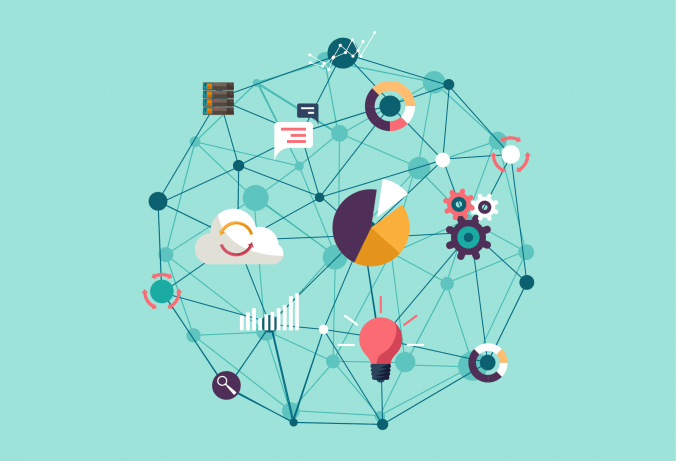
The need for a data-driven business strategy is not a passing trend; it is a direct response to a series of interconnected global challenges that are reshaping our world.
- The Pace of Change and Market Volatility: The relentless pace of technological innovation, from the rise of new competitors to the disruption of entire industries, has made the old model of a static business plan obsolete. A business today must be able to adapt to change in real time, to pivot its strategy, and to lead with a sense of purpose and a sense of calm in a world of constant uncertainty. Data provides the tools to manage and optimize this complexity.
- The Data Deluge: In a world of ubiquitous technology, a business is now generating a constant stream of data. This data is a goldmine of insights, but it is also a source of overwhelm. The sheer volume and velocity of this data have made it impossible for a human to analyze on their own. Data-driven strategy provides the tools to manage and analyze this data, to turn it from a source of overwhelm into a source of competitive advantage.
- The Limits of Human Intuition: Our brains are hardwired for a world of intuition and gut feeling. But in a world of a trillion data points, our intuition is no longer enough. The old model of a leader who is a master of a single domain is no longer viable. The new leader must be a master of data, a person who can lead with a sense of purpose and a sense of calm, and who can use a powerful new partner, AI, to help them make better, more informed decisions.
The Four Pillars of a Data-Driven Strategy
The pioneers of this strategic revolution are guided by a new set of core principles that place data, personalization, and agility at the heart of every decision.
A. From Intuition to Insight: Making Decisions with Confidence
The old model of business strategy was often based on intuition, experience, and a gut feeling. The new model is based on data. The new leader must be a master of data-driven decision making.
- From Intuition to Insight: AI can analyze a vast amount of data and identify a pattern or a trend that a human would miss. This provides a new level of insight, a new level of understanding, and a new level of confidence in a strategic decision.
- The Power of Predictive Analytics: AI can be used to predict a future trend, a future market, or a future customer behavior. This is a powerful new tool for a leader, providing them with the ability to be more proactive about their strategy and to be more prepared for a world of constant change.
B. The Pursuit of Hyper-Personalization: A Customer Experience Designed for One
In a world of mass production and a one-size-fits-all approach, the future of business is personalized. Data-driven business strategies are being used to provide a new level of personalization, a customer experience that is a direct reflection of a person’s unique needs, preferences, and desires.
- Personalized Recommendations: An AI algorithm can analyze a customer’s browsing history, their purchase history, and their emotional state to provide a truly unique and tailored shopping experience.
- Personalized Marketing: The marketing of the future will be a personalized one, with a focus on delivering the right message to the right person at the right time. An AI algorithm can analyze a customer’s data and provide them with a personalized offer or a message that is tailored to their specific needs.
- Personalized Customer Service: The customer service of the future will be a personalized one, with an AI-powered chatbot that can answer a customer’s questions, resolve their issues, and provide them with a more seamless and intuitive experience.
C. Dynamic and Adaptive Planning: The End of the Static Business Plan
The old model of business strategy was a static one, with a plan that was carefully crafted and then rarely changed. The new model is a dynamic and adaptive one.
- The End of the Static Business Plan: Data-driven strategy can be used to analyze a vast amount of real-time data and provide a leader with a continuous feedback loop on their strategy. A leader can then use this data to pivot their strategy, to adapt to a new market, and to be more responsive to the needs of their customers.
- The Power of Adaptive Planning: AI-powered tools can be used to create a new kind of business plan, a dynamic and adaptive one that is constantly learning, adapting, and evolving. This is a powerful new way to manage a business, with a focus on a proactive and a more humane approach to people management.
D. The Fusion of Innovation and Efficiency: A New Source of Competitive Advantage
The most impactful projects of today are the result of a highly collaborative process that blends technology with a wide range of disciplines. A data-driven business strategy is a powerful new tool for a leader, providing them with a new source of competitive advantage.
- The Fusion of Innovation and Efficiency: AI can be used to automate tedious, repetitive tasks, freeing up a team to focus on more creative and strategic work. This is a powerful new way to innovate, with a focus on a new kind of creative freedom.
- A New Source of Competitive Advantage: A business that is a master of data-driven business strategies is a business that has a new source of competitive advantage. It is a business that is more efficient, more profitable, and more humane.
The Technological Toolkit for Strategic Leaders
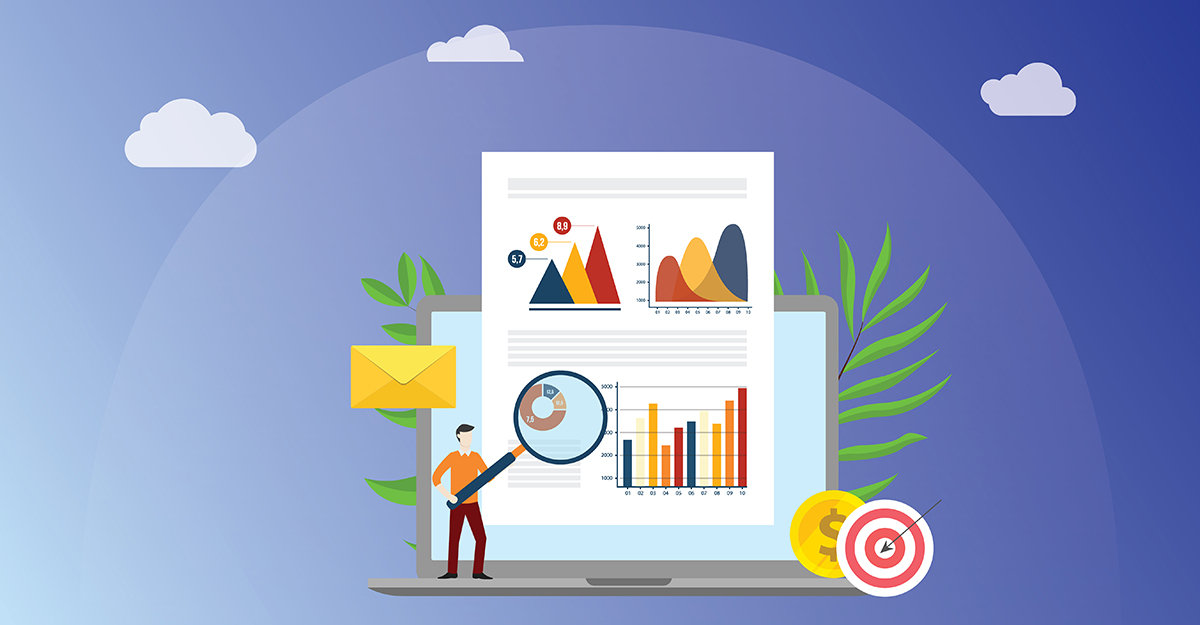
The visionary principles of a data-driven strategy are made possible by a suite of cutting-edge tools and technologies that are fundamentally changing the way we make decisions.
- Business Intelligence (BI) and Data Visualization:
- The Power of Real-Time Dashboards: Business Intelligence is a new and rapidly growing field. A real-time dashboard can provide a leader with a single, comprehensive view of a business’s performance, from its sales and its marketing to its operations and its finance.
- Telling a Story with Data: Data is not just a collection of numbers; it is a story. A good data visualization can help a leader to see a pattern or a trend in a vast amount of data, and it can help them to tell a compelling story about a business’s mission, its vision, and its path to profitability.
- Predictive and Prescriptive Analytics:
- Forecasting Future Trends: Predictive analytics is a powerful new tool for a leader, providing them with the ability to forecast a future trend, a future market, or a future customer behavior. This is a powerful new way to be more proactive about a business’s strategy and to be more prepared for a world of constant change.
- Recommending the Best Course of Action: Prescriptive analytics is a new and rapidly growing field. It is a field that can provide a leader with a specific recommendation for a strategic decision, a recommendation that is based on a vast amount of data and a a set of algorithms.
- AI and Machine Learning:
- AI for Fraud Detection and Risk Management: AI algorithms can analyze a vast amount of financial data and identify a fraudulent transaction in real time, providing a new level of security for both a customer and a financial institution.
- AI for Customer Segmentation and Churn Prediction: AI can be used to segment a customer base into a series of small, isolated segments. This is a powerful new tool for a leader, providing them with the ability to be more proactive about their customer retention strategy.
- Data Governance and Ethics:
- The Foundation of Trust: In a world of a trillion data points, the need for a strong data governance and ethics framework is paramount. A business must be transparent about the data it collects, how it uses it, and how it protects it.
- Navigating the Regulatory Landscape: The regulatory landscape of data-driven business strategies is a complex and rapidly evolving one. The challenge is to create a regulatory framework that can protect a customer’s data, a framework that can build a long-term relationship with its customers.
The Revolution in Action
The concepts of a data-driven business strategy are already being brought to life in projects around the world. These are not just theoretical models but tangible examples of what is possible.
- Marketing and Sales: Data-driven marketing is a powerful new tool for a business. It is a mindset that believes that a company’s marketing message should be a personalized one, a message that is tailored to a customer’s specific interests and needs. This is a movement that is a powerful expression of the new era of business, a world where a customer’s experience is a direct reflection of their unique voice.
- Operations and Supply Chain: Data-driven operations are a powerful new tool for a business. It is a mindset that believes that a company’s supply chain should be a seamless, automated, and an optimized one. This is a movement that is a powerful expression of the new era of business, a world where a company’s supply chain is a a direct reflection of a new era of efficiency and a new era of a profound sense of purpose.
- Finance and Risk Management: Data-driven finance is a powerful new tool for a business. It is a mindset that believes that a company’s financial strategy should be a data-driven one, a strategy that is a direct reflection of a new era of security, a new era of transparency, and a new era of a a profound sense of purpose.
- Human Resources and Employee Engagement: Data-driven human resources are a powerful new tool for a business. It is a mindset that believes that a company’s culture should be a data-driven one, a culture that is a direct reflection of a new era of employee engagement, a new era of employee well-being, and a new era of a profound sense of purpose.
The Challenges and Ethical Imperatives
While the data-driven business strategies are exciting, it is not without its challenges. Navigating these hurdles is key to building a future that is equitable, humane, and sustainable.
- Data Privacy and Security: The future of business is a data-rich one, and the need for robust data privacy and security will be paramount. The challenge is to create a business that is both intelligent and respectful of our privacy, a business that works for us, not against us.
- The Skill Gap and the Need for Data Literacy: The old model of a leader who is a master of a single domain is no longer viable. The new leader must be a master of data, a person who can lead with a sense of purpose and a sense of calm, and who can use a powerful new partner, AI, to help them make better, more informed decisions.
- The “Black Box” Problem and Transparency: Many AI models are “black boxes”—their decision-making processes are opaque and difficult to understand. This lack of transparency makes it challenging to pinpoint why an AI generated a particular output or if it carries inherent biases. The challenge is to create AI that is more transparent and more explainable, a technology that we can trust and understand.
Conclusion
The discipline of business strategy is at a pivotal moment. The old models of design, based on endless growth and resource consumption, are no longer viable. The future of our built environment and our society depends on a new kind of creative thinking—one that is restorative, responsible, and regenerative. The data-driven business strategies we have explored in this guide are the blueprint for this new era. It is a powerful fusion of technology and humanity, a commitment to a new way of living that is both more efficient and more meaningful.
This guide has only begun to explore the vast and exciting possibilities. We have seen how a blend of data-driven decision making, hyper-personalization, and advanced technologies is creating a new language of strategy. This transformation is not without its challenges; it requires a new skill set and a new way of thinking. But the opportunity is even greater. The ultimate reward for this shift in our business philosophy is not just a reduction in our carbon footprint. It is the creation of a world that is more connected, more equitable, and more in tune with the rhythms of our daily lives. It is the creation of spaces that improve our health, enrich our lives, and foster a deeper connection to our communities and our planet. The future of business is a future that is defined by a new kind of humanity, a humanity that is both technological and profoundly human.





Discussion about this post