


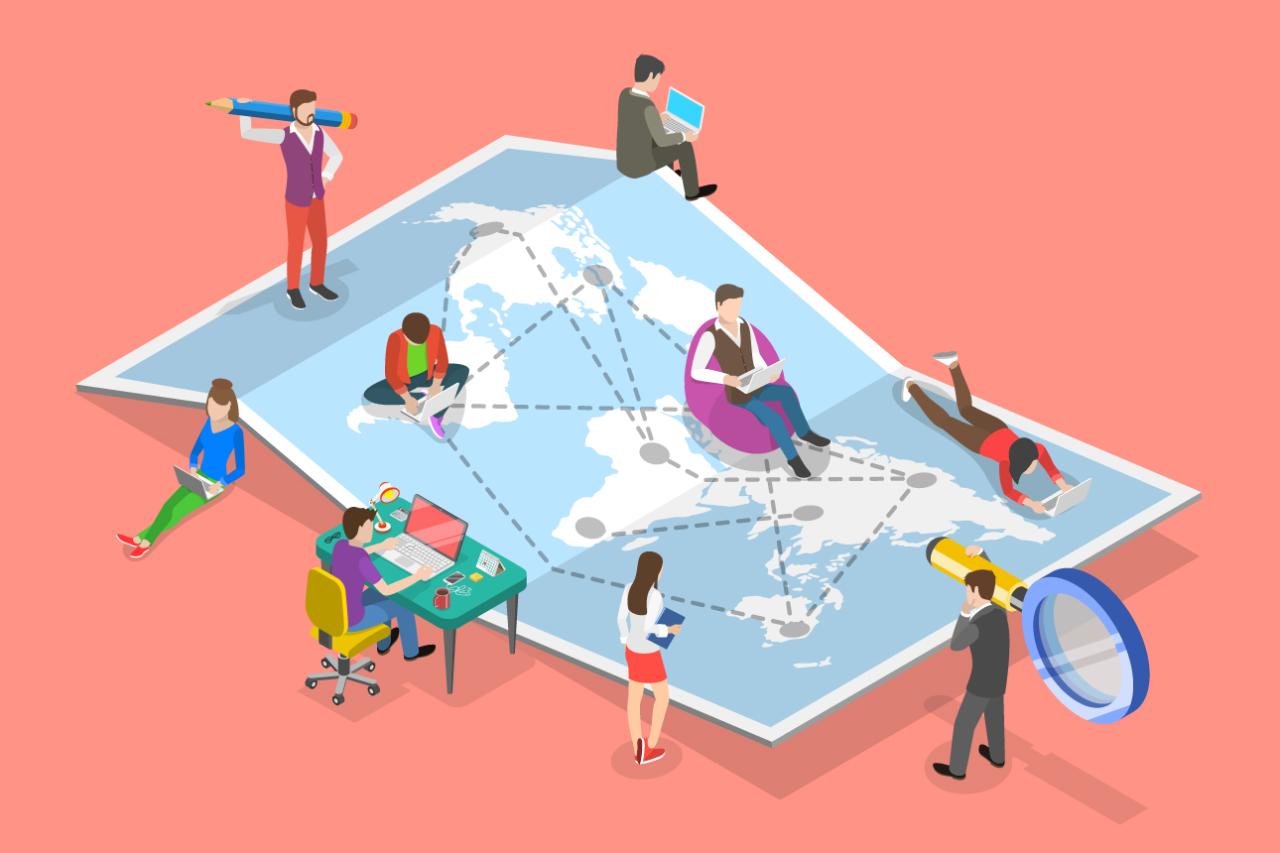
For centuries, our concept of “work” was inextricably linked to a physical place and a rigid schedule. The 9-to-5, the central office, and the traditional career path were the undisputed pillars of the professional world. Today, that model is not only outdated but is actively being dismantled. The convergence of technological innovation, a global pandemic that accelerated a new way of thinking, and a fundamental shift in employee expectations has ushered in a new era. This is a revolution, not an evolution, that is redefining how, when, and where we work. This is the era of the decentralized workforce.
This isn’t about the simple choice between working from home or the office. It’s a profound philosophical shift that sees work as a dynamic, flexible, and human-centric force. It’s an era where the professional is a portfolio of projects, where our careers are a seamless blend of our personal and professional lives, and where our professional success is measured not by the hours we put in but by the impact we create. This comprehensive guide is a deep dive into this transformative era, exploring the core pillars that define a masterful decentralized workforce, the defining trends that are making it a reality, and the critical challenges that leaders must navigate to build a more humane, sustainable, and purpose-driven future for work.
The End of the Centralized Office

To understand the profound changes happening today, we must first appreciate the legacy of the past. The old model of work was a product of the industrial age, built on a foundation that no longer holds true.
- The Legacy of the Industrial Age: The traditional 9-to-5 workday and the centralized office were a direct inheritance from the industrial revolution. They were a model of work that was designed to maximize efficiency and to manage a workforce of factory workers. This model, with its rigid schedule and its physical separation of home and office, is ill-equipped to meet the challenges and opportunities of a knowledge-based economy.
- The Technological and Societal Catalysts: The revolution was made possible by a convergence of technology and societal change. High-speed internet, powerful laptops, and a new generation of cloud-based collaboration tools made it possible for a professional to work from anywhere in the world. The societal shift was driven by a growing desire for greater flexibility, autonomy, and a more purpose-driven life.
- The Post-Pandemic Accelerator: The global pandemic accelerated this shift in a profound way. The forced experiment in remote work demonstrated that, for many knowledge-based industries, productivity did not suffer and, in some cases, even improved. This proof of concept shattered long-held assumptions about the necessity of the physical office, paving the way for a more permanent, long-term shift to a new, more flexible model of work.
The Four Pillars of a Masterful Decentralized Workforce
The pioneers of this workplace revolution are guided by a new set of core principles that place people, purpose, and agility at the heart of every decision.
A. Asynchronous Communication: A New Rhythm for Work
The old model of work was synchronous, with everyone working at the same time. The new model, known as asynchronous work, is a powerful departure from this. It is an approach that believes that work can be done at different times, with a focus on written communication and a reliance on project management tools. This approach is particularly powerful for global teams, as it eliminates the need for inconvenient calls and provides employees with the flexibility to work when they are most focused and productive. It is a new way of working that is more humane, more flexible, and more sustainable.
B. Trust and Autonomy: Empowering the Individual
The old model of leadership was a top-down, command-and-control hierarchy that often lacked a human element. The new model is a more humane one, with a focus on trust and autonomy. A leader who is a master of trust can recognize and understand their team’s motivations, their needs, and their unique rhythm. This is a skill that is not just a “nice-to-have” but a core competency of a modern leader. It is a skill that can be used to build a culture of trust, a culture of loyalty, and a culture of psychological safety.
C. Purpose-Driven Culture: The Glue That Holds the Team Together
In a decentralized workforce, the physical office is no longer the central hub. The new central hub is a purpose-driven culture, a culture that is the glue that holds the team together. A new generation of employees, and a new generation of consumers, are looking for a business that is a force for good. The new leader must be a master of purpose-driven leadership. This is a mindset that believes that a business’s mission is as important as its profit, a mindset that can be used to inspire a team, to build a culture of shared purpose, and to create a business that is a force for positive change in the world.
D. Work-Life Integration: A New Definition of Balance
The old model of work-life balance was a flawed premise, built on a rigid separation that is no longer possible. The new model is a more humane one, with a focus on work-life integration. It is an approach that recognizes that our personal and professional lives are not separate but are a seamless, interconnected whole. A company that embraces this philosophy provides employees with the flexibility to attend a child’s school event in the middle of the day or to work from a coffee shop, with a focus on results, not on a rigid schedule.
The Essential Toolkit for Managing a Remote Team
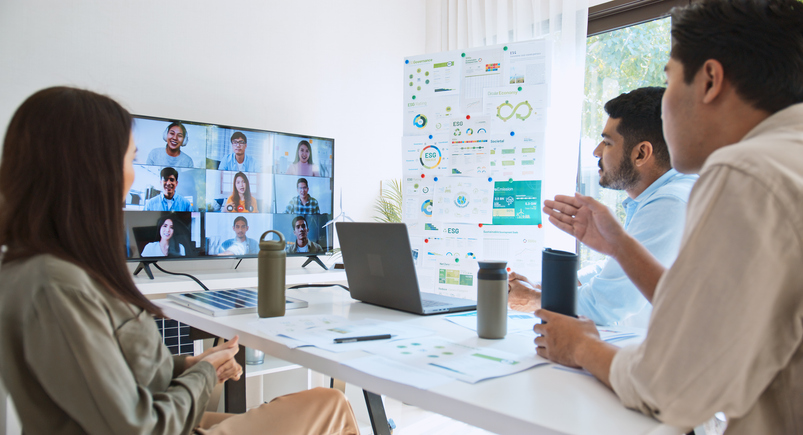
The philosophical principles of a masterful decentralized workforce are made possible by a new set of tools and strategies that are a direct reflection of a new era of business.
- Communication Strategies: Beyond Video Calls: The early days of remote work were defined by endless video calls. The new era is defined by a new generation of communication strategies that are more powerful and more intuitive. These strategies, which include a focus on written communication, a reliance on project management tools, and a new kind of social connection, are a powerful way to foster a sense of teamwork and collaboration, even when a team is physically apart.
- Project Management Methodologies: A New Way to Collaborate: The old model of project management was a centralized, top-down one. The new model is a decentralized one, with a focus on a new kind of collaboration. The new leader must be a master of a new kind of project management, a person who can build a sense of community, a sense of connection, and a sense of shared purpose, even when a team is physically apart.
- Employee Wellness and Engagement: Fostering a Healthy and Connected Team: In a decentralized workforce, a physical office is no longer the central hub. The new central hub is a purpose-driven culture, a culture that is the glue that holds the team together. A new generation of employees, and a new generation of consumers, are looking for a business that is a force for good. The new leader must be a master of employee wellness and engagement, a person who can recognize the signs of burnout and who can foster a culture of well-being and a sustainable work-life integration.
- Security and Compliance: Protecting a Decentralized Network: The rise of a decentralized workforce has created a new set of cybersecurity challenges. Companies are now protecting a network of endpoints, from personal laptops to smartphones, that are located all over the world. This is leading to a new focus on next-gen cybersecurity, with companies investing in new tools and technologies that can protect their data and their network from a wide range of threats.
A Look Ahead
The future of the decentralized workforce is not a fixed destination; it is a continuous evolution. As technology advances, so too will our ability to create a more flexible and humane professional landscape.
- AI as the Ultimate Remote Co-pilot: Artificial intelligence is playing an increasingly important role in the remote workplace. AI-powered tools can automate tedious, repetitive tasks, such as scheduling meetings, responding to emails, and managing project deadlines. This frees up employees to focus on more creative and strategic work, making them more productive and more engaged.
- The Rise of the Digital Nomad: The digital nomad lifestyle has moved from a niche to a mainstream trend. This is a powerful expression of the new era of remote work, with professionals able to work from anywhere in the world with a reliable internet connection. This is a movement that is fundamentally changing our relationship with both work and travel, blurring the lines between the two in a powerful and inspiring way.
- The Evolution of the Physical Office: The physical office will not disappear, but it will evolve. It will become a cultural hub, a place for in-person collaboration, and a space for social connection. It will be a place that is designed to support the new era of remote work, with a focus on flexibility, a variety of meeting spaces, and a new kind of work-life integration.
Conclusion
The remote work revolution is not just a change in location; it is a fundamental shift in our relationship with work. It is a movement that has been driven by a demand for greater flexibility, autonomy, and a healthier work-life balance. The principles and trends we have explored in this guide are not just a collection of new ideas; they are a blueprint for a more humane, more sustainable, and more purpose-driven future for work.
This guide has only begun to explore the vast and exciting possibilities. We have seen how a blend of an asynchronous communication, a new generation of virtual collaboration tools, and a new kind of company culture is creating a new language of work. This transformation is not without its challenges; it requires a new skill set and a new way of thinking. But the opportunity is even greater. The ultimate reward for this shift in our work philosophy is not just a reduction in our carbon footprint. It is the creation of a professional landscape that is more resilient, more in tune with the rhythms of our daily lives, and more conducive to a life that is both meaningful and profoundly human. The future of work is not about a return to the past; it is about a bold leap forward into a future that is defined by a new kind of freedom and a new kind of humanity.




Discussion about this post