


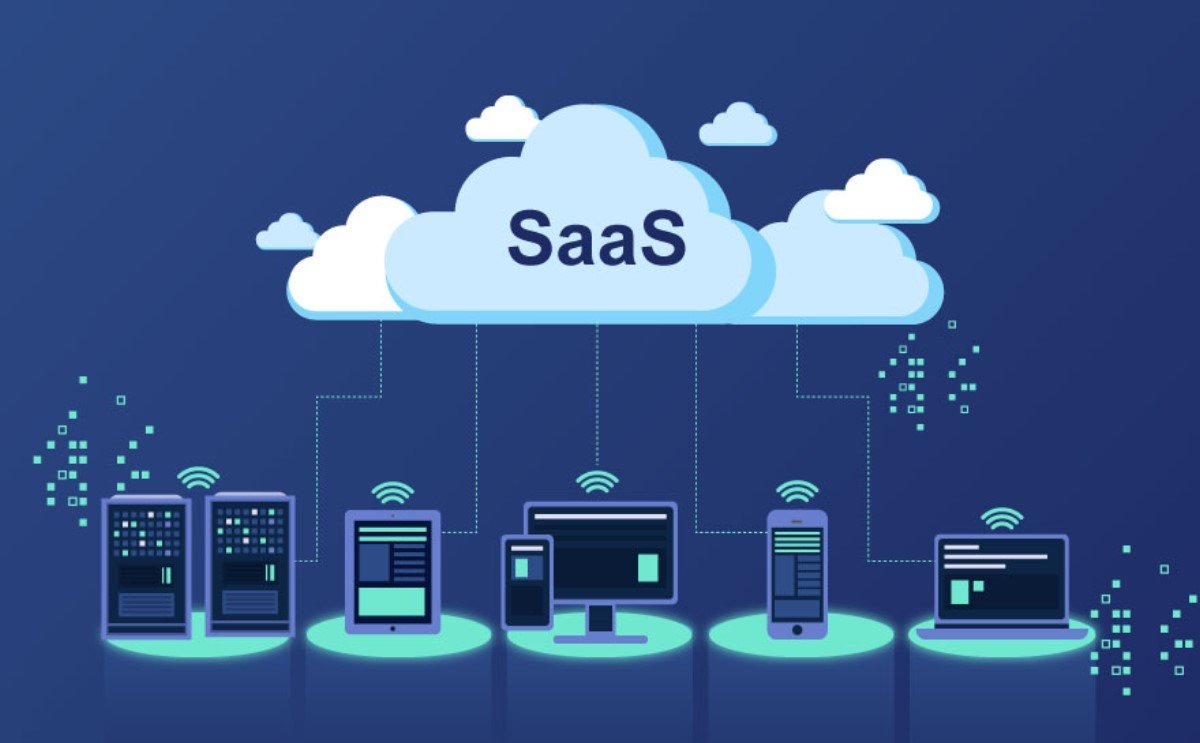
In a world driven by digital transformation, Software-as-a-Service (SaaS) has evolved from a simple cloud-based software delivery model into the foundational operating system of the modern enterprise. No longer just a convenient alternative to on-premise software, SaaS is now the strategic backbone of global commerce, powering everything from customer relationship management and human resources to data analytics and supply chain logistics. Its rise has been meteoric, driven by the unparalleled benefits of flexibility, scalability, and cost-effectiveness. The ability to access powerful, enterprise-grade tools from anywhere, without the burden of maintenance and infrastructure management, has democratized technology and leveled the playing field for businesses of all sizes.
As the SaaS market matures, it is undergoing a profound transformation, propelled by new technologies and shifting market demands. The future of SaaS is not just about moving more software to the cloud; it’s about a fundamental reinvention of how businesses operate, innovate, and compete. For business leaders, understanding these emerging trends is not just a matter of staying current—it’s a critical imperative for building a resilient, agile, and future-proof organization. This article will provide a comprehensive look at the major trends shaping the SaaS landscape, their strategic implications for businesses, and the challenges and opportunities that lie ahead.
The Foundation of the SaaS Revolution
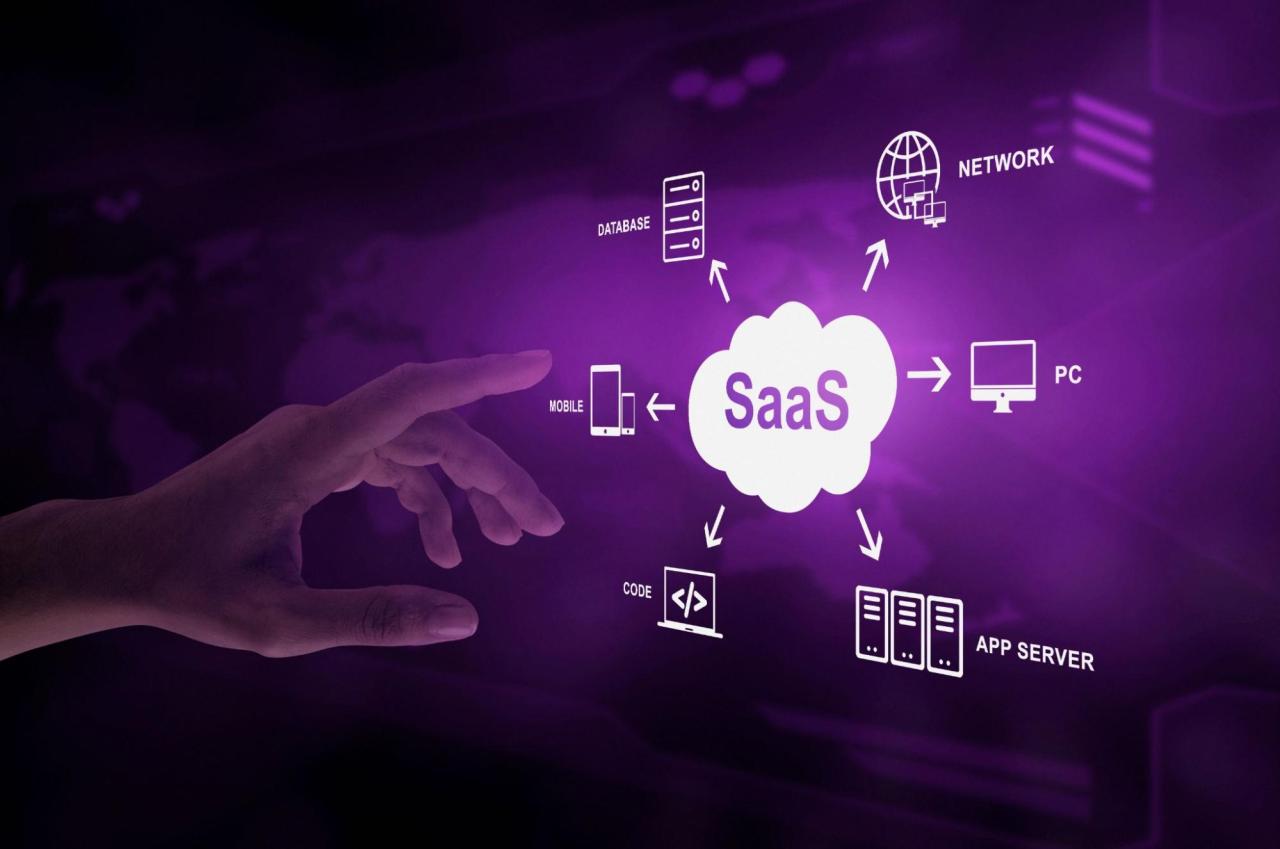
The initial appeal of SaaS was rooted in its ability to solve the pain points of traditional on-premise software. The old model required significant upfront capital investment, dedicated IT teams for installation and maintenance, and cumbersome, infrequent updates. This created a high barrier to entry for small businesses and a rigid, slow-moving environment for large enterprises.
SaaS dismantled these barriers. By offering software on a subscription basis, it converted a large capital expenditure into a manageable operational cost. Automatic updates meant companies always had access to the latest features and security patches, without any manual effort. Cloud-based accessibility enabled remote work and global collaboration years before it became a necessity. This shift empowered businesses to focus on their core competencies, leaving the complexities of software management to the experts. This foundational success has now paved the way for a new wave of innovation, moving beyond simple delivery to a more intelligent, integrated, and specialized future.
Major Trends Reshaping the SaaS Landscape
The SaaS market is evolving rapidly, driven by a confluence of technological advancements and changing user expectations. These trends are not isolated; they are interconnected, building on each other to create a more sophisticated and powerful ecosystem.
A. Artificial Intelligence (AI) and Machine Learning (ML) Integration:
AI is no longer an add-on; it is being seamlessly woven into the core functionality of SaaS applications. This isn’t just about offering AI as a separate feature; it’s about making the software inherently smarter and more intuitive.
- Predictive Analytics and Insights: AI-powered SaaS platforms can analyze vast datasets to provide predictive insights. A sales CRM, for example, can use ML to predict which leads are most likely to convert, helping sales teams prioritize their efforts. An HR platform can analyze employee data to predict churn and identify areas for improvement in company culture.
- Intelligent Automation: Repetitive and tedious tasks are being automated to free up human employees for more strategic work. Customer service chatbots, for example, can handle routine inquiries, while AI in marketing platforms can automatically generate personalized email content and optimize campaign timing for maximum impact.
- Enhanced User Experience (UX): AI helps personalize the user experience, making the software feel tailored to the individual. Dashboards can intelligently highlight the most relevant data, and AI-driven recommendations can suggest the next best action, guiding users through complex workflows with ease.
B. The Rise of Vertical SaaS:
For years, the market was dominated by horizontal SaaS giants like Salesforce and Oracle, which offered broad solutions applicable to any industry. The new trend is a powerful shift towards Vertical SaaS, which provides highly specialized, industry-specific solutions.
- Tailored Workflows and Features: A vertical SaaS platform for a construction company, for instance, includes features for project management, bidding, and on-site material tracking, all within a single application. A platform for a dental practice might include patient scheduling, billing, and electronic health record management. These solutions are purpose-built to address the unique pain points and workflows of a specific industry.
- Specialized Compliance and Security: Vertical SaaS providers can build in industry-specific compliance standards (e.g., HIPAA for healthcare, SOC 2 for finance) from the ground up, giving businesses in regulated fields peace of mind and reducing their compliance burden.
C. The Dominance of an API-First and Integrated Ecosystem:
The era of isolated software is over. Modern businesses operate a diverse stack of applications, from communication tools to project management software. A key trend is the move toward an API-first approach, where SaaS platforms are built from the ground up to be easily integrated with other applications.
- Building a “Best-of-Breed” Stack: Instead of being locked into a single vendor’s all-in-one suite, businesses can now build a “best-of-breed” stack by combining the best tools for each function. For example, a company might use a leading CRM, a separate marketing automation platform, and a third-party analytics tool, with all three communicating seamlessly via APIs.
- Frictionless Data Flow: APIs ensure that data can flow freely between applications, eliminating data silos and creating a single, unified source of truth. This is critical for making informed decisions and automating complex, cross-functional workflows.
D. Hyper-Personalization and a Focus on User Experience:
As the SaaS market becomes more crowded, product differentiation is shifting from features to user experience. The most successful platforms are those that feel intuitive, seamless, and uniquely tailored to the individual user.
- Data-Driven Personalization: SaaS providers are leveraging AI and user data to create highly personalized experiences. This can include customized dashboards that show only the most relevant metrics, on-the-fly feature recommendations, and personalized onboarding tutorials based on a user’s role and skill level.
- Intuitive Design: There is a strong emphasis on user-centric design that is not only visually appealing but also logical and easy to navigate. The goal is to reduce the cognitive load on the user and make the software a pleasure to use, not a chore.
E. The Shift to Usage-Based and Flexible Pricing:
The traditional tiered subscription model is being challenged by more flexible, usage-based pricing. This model, often seen in the cloud computing and data analytics spaces, charges customers based on their actual consumption of the service (e.g., number of API calls, amount of data processed, number of users).
- Fairness and Transparency: This model is perceived as fairer because customers only pay for what they use. It aligns the vendor’s success directly with the customer’s usage and value derived from the service.
- Lowering the Barrier to Entry: For startups and small businesses, a usage-based model allows them to get started with a minimal investment and scale their costs as their business grows.
F. Enhanced Emphasis on Security and Privacy:
With businesses entrusting critical data to the cloud, security is no longer just a feature—it’s a top priority and a key differentiator. The threat landscape, particularly with the rise of ransomware, has made this non-negotiable.
- Zero-Trust Architecture: Modern SaaS providers are adopting a zero-trust model, which assumes no user or device is inherently trustworthy, even within the corporate network. This requires continuous verification and strict access controls.
- Advanced Compliance and Certifications: SaaS companies are investing heavily in achieving and maintaining rigorous security certifications (like SOC 2, ISO 27001, and GDPR compliance) to demonstrate their commitment to protecting customer data.
Impact on Businesses

These trends have a profound impact on how businesses of all sizes operate.
- For Startups and SMBs: The rise of Vertical SaaS and flexible pricing models gives small businesses access to powerful, specialized tools that were once reserved for large corporations. This allows them to compete on a new level, with access to enterprise-grade functionality without the enterprise-level price tag.
- For Large Corporations: For large enterprises, the API-first trend allows them to move away from rigid, monolithic systems and build a more flexible, “composable enterprise.” This involves creating a personalized ecosystem of best-of-breed SaaS tools that can be easily swapped out or updated to meet changing business needs, giving them an unprecedented level of agility.
The Challenges and the Future of SaaS
While the future of SaaS is bright, the journey is not without its challenges. For businesses, managing a complex ecosystem of multiple SaaS applications can lead to data silos if not properly integrated. The cost can also escalate if not carefully monitored, especially with usage-based pricing models. For SaaS providers, the market is becoming increasingly competitive, requiring a relentless focus on innovation, user experience, and specialization to stand out.
Looking ahead, the next wave of SaaS will be defined by an even deeper integration with emerging technologies. Concepts like Web3 and blockchain could provide new frameworks for decentralized applications and enhanced data ownership for users. “SaaS-as-a-Service” could emerge, where platforms are built to help businesses manage their own complex SaaS ecosystems, offering automated cost optimization and security management. The era of the all-in-one suite is over; the future belongs to interconnected, intelligent, and highly specialized platforms that enable businesses to move faster and smarter than ever before.
Conclusion
SaaS is no longer just a technology; it is a fundamental business strategy. The trends we are seeing today—from the integration of AI to the shift toward vertical specialization and flexible pricing—are not just about improving software. They are about empowering businesses to be more agile, intelligent, and responsive to the demands of a dynamic global market. The old way of building and buying software was a bottleneck; the new way is a catalyst for innovation.
For business leaders, the takeaway is clear: success in the digital economy hinges on mastering the SaaS ecosystem. This means moving beyond a simple subscription mentality and adopting a strategic approach to building a technology stack that is intelligent, integrated, and aligned with core business goals. The most successful organizations of the future will not be defined by the size of their on-premise data centers, but by their ability to leverage the best, most specialized, and most innovative SaaS solutions to gain a competitive edge. SaaS has already changed how we work; in the coming years, it will fundamentally redefine the very structure of the modern enterprise, making it more resilient, more scalable, and more powerful than we ever imagined.






Discussion about this post